


15 Unexpected Maple Syrup Uses That Go Beyond Pancakes (2025 Guide)

Maple syrup uses go way beyond the breakfast table, yet most people think only of pancakes and French toast. Making just one gallon of maple syrup requires about 40 gallons of sap. Such intensive work goes into something that many restrict to morning meals!
People living in maple syrup producing regions might end up with plenty of this sweet liquid gold when spring arrives. This natural sweetener stays fresh for a long time and becomes your secret weapon to add rich, unexpected flavor throughout the day. We have found countless ways to use this natural sweetener in both savory recipes and sweet treats. Most baked goods allow you to swap ¾ cup maple syrup for 1 cup of white sugar, making it a versatile kitchen staple.
This piece will show you 15 unexpected ways to use this delicious ingredient in your culinary adventures - from maple glazed proteins to unique cocktails, and beyond traditional uses. Your syrup's maple taste becomes more distinct as it gets darker, therefore pick the right shade as we explore its uses in everything from marinades to desserts.
Maple Glazed Roasted Vegetables

Image Source: Real Simple
Maple syrup reshapes the scene of ordinary side dishes by turning them into extraordinary culinary experiences. The natural sweetness of maple syrup boosts the earthy flavors of vegetables through caramelization. This creates a perfect balance that even vegetable skeptics will appreciate.
What is maple glazed roasted vegetables
Maple glazed roasted vegetables blend seasonal vegetables with a simple maple syrup glaze that caramelizes during roasting. This technique brings out vegetables' natural sweetness while adding rich maple flavor. Most recipes feature a colorful mix of root vegetables like carrots, parsnips, sweet potatoes, Brussels sprouts, and beets. These ingredients get tossed with maple syrup, olive oil, and complementary seasonings. Magic happens these ingredients meet high heat, which creates tender insides with caramelized exteriors.
How to use maple glazed roasted vegetables
Making maple glazed vegetables is surprisingly easy. Start by preheating your oven to 425°F, which helps achieve caramelization and ensures tenderness. Cut your vegetables into uniform pieces (about 1-2 inch cubes) so they cook evenly. Take a large bowl and whisk together 2-4 tablespoons of maple syrup with olive oil (typically 2 tablespoons). You can add seasonings like salt, pepper, thyme, or a splash of apple cider vinegar to boost flavor.
Mix vegetables in this mixture until they're evenly coated, then spread them on a parchment-lined baking sheet in a single layer. A single-layer arrangement is vital since it lets vegetables roast instead of steam. Let them roast for approximately 40-45 minutes, and stir occasionally until they turn tender and golden brown. You might want to add chopped pecans during the final few minutes to get extra crunch and flavor.
Why maple glazed roasted vegetables work
These glazed vegetables shine because maple syrup's natural sugars highlight the vegetables' sweetness through caramelization. The Maillard reaction creates complexity as sugars and proteins interact under heat to develop new flavor compounds.
These vegetables pack impressive nutritional benefits. They deliver fiber, vitamins, and minerals, making them a healthier choice than processed sides. Maple syrup adds its own nutrients, including manganese, zinc, magnesium, calcium, and potassium.
The preparation method adapts well to many dishes. These vegetables taste great with roasted pork, seared chicken, or as a vegetarian main course. You can use leftovers in grain bowls or blend them into flavorful soups, which gives you multiple ways to use maple syrup from one dish.
Maple Syrup in Homemade Salad Dressings

Image Source: RecipeTin Eats
Maple syrup brings an extraordinary dimension to homemade salad dressings that bottled versions can't match. This natural sweetener creates perfect balance and complexity in your greens without overwhelming them.
What is maple salad dressing
A maple salad dressing blends the distinctive sweetness of pure maple syrup with acidic ingredients like vinegar or citrus juice, oil, and seasonings. Maple vinaigrettes create complex flavor profiles that boost your salad ingredients, unlike dressings made with refined sugars. The simple formula uses a 1:3 ratio of vinegar to oil, and maple syrup acts as a balancing agent. Most recipes use Dijon mustard as an emulsifier to bind ingredients together and add depth.
How to use maple salad dressing
Making maple vinaigrette comes naturally to most home cooks. A classic version needs 2-3 tablespoons of pure maple syrup, 2-4 tablespoons of vinegar (balsamic, apple cider, or white wine), 1-2 teaspoons of Dijon mustard, and about ½ cup of quality olive oil. Salt and pepper should be added to taste. Minced garlic or fresh herbs can add extra flavor just before serving.
Bitter greens like arugula or kale pair exceptionally well with maple dressings. Autumn salads with roasted vegetables, especially butternut squash or beets, shine with this dressing. Summer options work beautifully with fresh berries, toasted nuts, and goat cheese. These versatile dressings serve as excellent marinades for chicken, shrimp, or pork tenderloin too.
Why maple salad dressing works
Maple dressing's magic comes from its perfect balance of flavors. Maple syrup naturally mellows the acidity of vinegar or citrus and adds subtle caramel-like complexity. Its woodsy undertones create depth that refined sugar can't match.
Maple-based dressings offer nutritional advantages over store-bought options. The syrup has antioxidants and minerals like manganese that help muscle repair. Commercial dressings often contain artificial preservatives and too much sugar.
Homemade maple dressings last up to one week in the refrigerator. A good shake before each use helps mix the ingredients since natural separation occurs without commercial emulsifiers.
Baking with Maple Syrup

Image Source: Whole New Mom
Maple syrup lifts baking from ordinary to exceptional by adding a caramel-like richness that refined sugar just can't match. This natural sweetener brings nutritional benefits that make it a must-have in any baker's pantry.
What is baking with maple syrup
Baking with maple syrup means swapping refined sugars for this natural tree sap concentrate in your recipes. Regular pancake syrups contain corn syrup and artificial coloring, but genuine maple syrup delivers real woodsy-sweet notes. The golden liquid creates treats with rich complexity that ranges from subtle caramel undertones in lighter grades to bold maple flavor in darker varieties. Maple syrup works as both sweetener and flavor booster in cookies, breads, muffins, cakes, and pies.
How to use maple syrup in baking
You'll need to make a few tweaks when using maple syrup instead of sugar. Use ⅔ to ¾ cup of maple syrup for each cup of white sugar. The extra moisture means you should cut back other liquids by 3-4 tablespoons per cup of syrup. Your oven temperature should drop by 25°F (about 10°C) since maple syrup browns faster than sugar.
For best results:
-
Room temperature syrup blends better with butter and prevents clumping
-
Darker grades (Grade A Very Dark Color/Strong Taste) give you that rich maple flavor
-
Add 10-25% more thickeners in pie fillings to balance maple syrup's liquid nature
Maple syrup shines in oatmeal bread, custard fillings, pound cake glazes, and scones. You can swap it one-for-one with honey, molasses, or corn syrup.
Why baking with maple syrup works
Maple syrup's unique makeup creates something special in baked goods. Its sucrose sugars brown faster than regular sugar but slower than honey. Your baked treats turn out golden and moist, staying fresh longer.
The syrup's nutritional profile beats refined sugar with minerals like manganese, zinc, calcium, and potassium. People watching their blood sugar might prefer maple syrup's lower glycemic index.
Maple syrup's complex flavor adds depth that plain sugar can't match. Fall spices, vanilla, and nuts complement its subtle caramel notes perfectly - no wonder it's a fall baking favorite.
Maple Syrup as a Meat Marinade
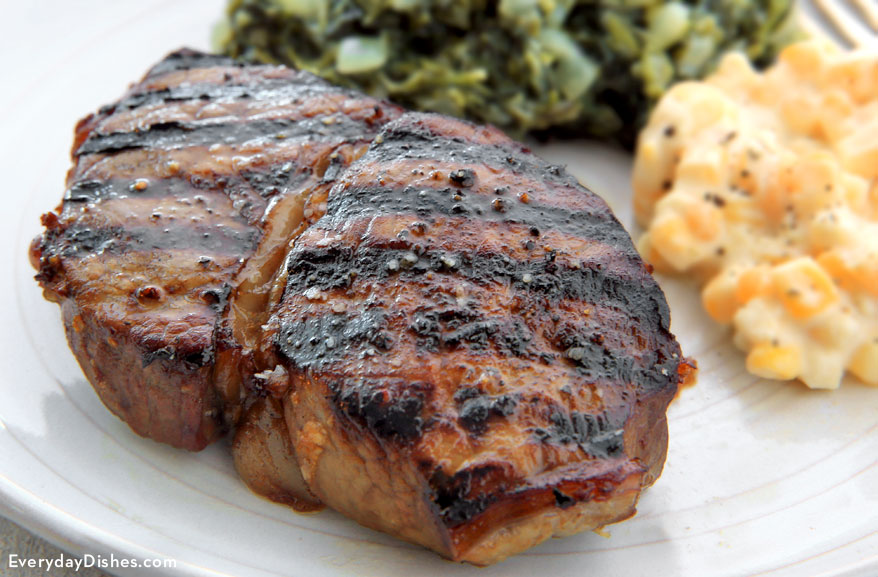
Image Source: Everyday Dishes
Maple syrup's sweet complexity creates magic in meat preparation. It transforms proteins from bland to magnificent with minimal effort. Unlike other sweeteners, maple syrup creates a beautiful caramelized crust on cooking surfaces that seals in juices and makes the texture better.
What is maple meat marinade
A maple meat marinade blends pure maple syrup with savory ingredients to create a balanced flavor profile that makes proteins tender and tasty. These marinades mix maple's natural sweetness with acidic ingredients like balsamic vinegar, soy sauce, or lemon juice. You'll also find Dijon mustard, garlic, sesame oil, and various herbs or spices that add more flavor. The recipe needs balance between sweet and savory elements—usually 2-3 tablespoons of maple syrup mixed with equal amounts of complementary liquids.
How to use maple meat marinade
My experience shows these simple steps work best:
-
Mix ingredients in a bowl or zip-lock bag. A simple formula uses 3 tablespoons each of maple syrup, soy sauce, and balsamic vinegar, plus 2 garlic cloves and seasonings.
-
Cover your protein completely in the marinade for even coating.
-
Keep it in the refrigerator for at least 30 minutes. The flavor gets much better after 8+ hours or overnight.
-
Take the meat out of the marinade and pat it dry lightly before cooking. Grilling or roasting works best.
-
You can boil the leftover marinade for one minute to make a basting sauce or glaze.
Maple marinades work great with pork tenderloin, chicken, steak, salmon, and even tofu. Some combinations stand out—bacon and maple make an irresistible duo, while prawns taste amazing with maple, garlic and lime.
Why maple meat marinade works
The science behind maple marinades is the sort of thing I love. The sugars in maple syrup help create better browning through caramelization, which develops complex flavor compounds during cooking. These sugars also keep moisture locked inside the protein fibers. Maple syrup's subtle sweetness balances perfectly with salty ingredients like soy sauce, creating a rich flavor experience that neither ingredient could achieve alone.
Maple Syrup in Granola Recipes

Image Source: Healthy Seasonal Recipes
Making granola at home with pure maple syrup gives you a nutritious breakfast that beats anything from the store. The natural sweetness works magic with nuts and oats. You'll get a crunchy, satisfying treat that's easy to make and works with many toppings.
What is maple granola
Maple granola combines rolled oats, nuts, seeds, and sometimes dried fruits with pure maple syrup instead of refined sugar. This mix creates complex flavors that honey or sugar just can't match. You need real maple syrup to make authentic maple granola—not artificial pancake syrup or corn syrup products. The subtle caramel notes of maple add depth that turns simple ingredients into something amazing and crunchy.
How to use maple syrup in granola
You can make maple granola by following these steps:
-
Mix rolled oats (typically 7 cups) with your choice of nuts, seeds, and spices in a large bowl
-
Combine maple syrup (about 1/4 to 1/3 cup), oil, and vanilla in a separate bowl
-
Pour wet ingredients over dry ingredients and mix until everything's coated evenly
-
Spread mixture in a thin, even layer on parchment-lined baking sheets
-
Bake at a low temperature (265°F-325°F) for about two hours, and stir occasionally
-
Let it cool completely before adding dried fruits or storing
Why maple granola works
Maple syrup's unique properties make this granola special. The syrup's hygroscopic nature creates amazing textures—crunchy clusters with slightly chewy centers. You'll get the strongest maple flavor from darker maple syrups (Grade A Dark Robust).
The nutritional benefits come from both the oats and maple syrup, which pack fiber, protein, and essential minerals. Your granola will stay fresh in airtight containers like mason jars for up to two weeks. Some granola lovers even freeze their batch to make it last longer and give dried fruits an interesting chewy texture.
Maple Cream Spread

Image Source: Savory Simple