Most people who pour syrup on pancakes have never read the label. The bottle says maple on the front, the cap is shaped like a leaf, and the liquid inside is brown. That is usually as far as the inspection goes. The two products sitting beside each other on the grocery shelf are entirely different categories of food, made from different ingredients, by different processes, with different effects on the body.
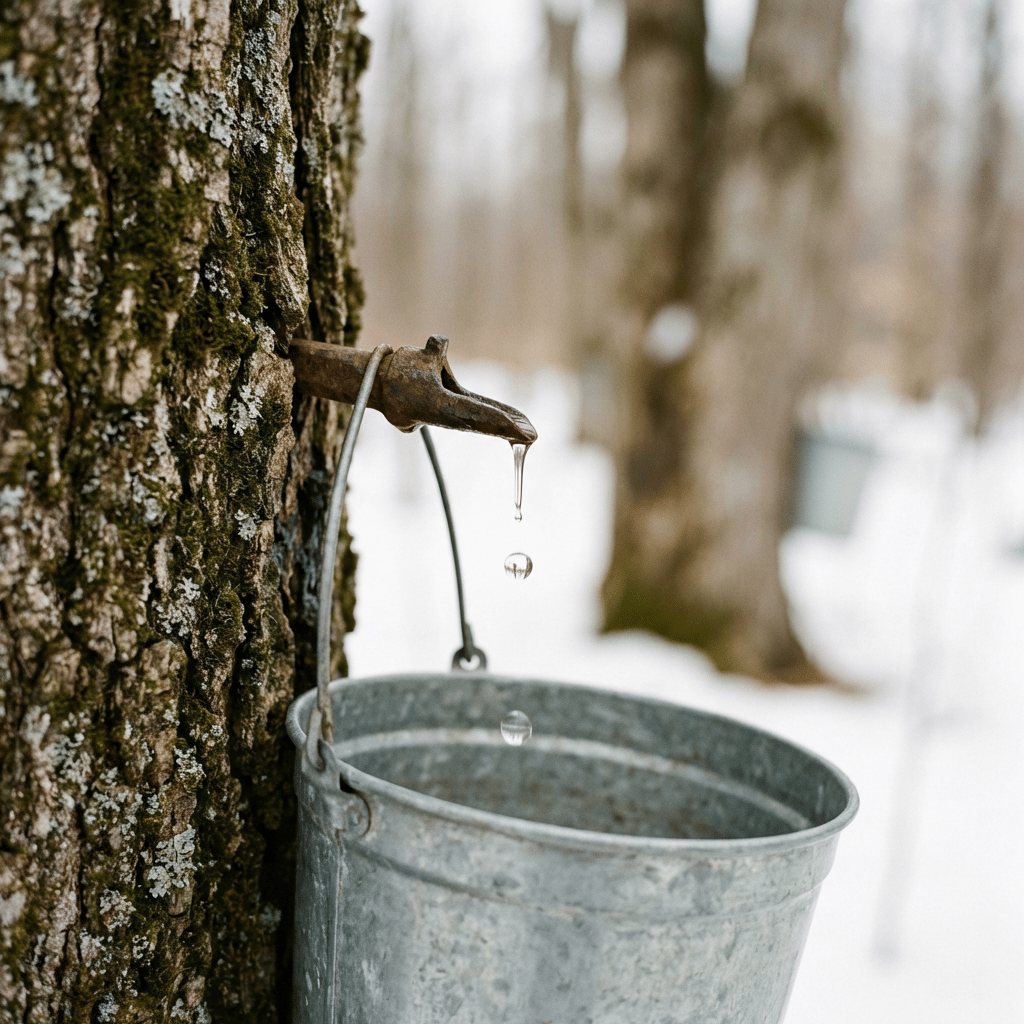
Pure maple syrup comes from one place: a maple tree. Producers tap the tree, collect the sap, and boil it until enough water has evaporated for the remaining liquid to thicken into syrup. The ingredient list on a bottle of pure maple syrup says "maple syrup" and nothing else. Table syrup, also sold as pancake syrup or breakfast syrup, comes from a factory. The ingredient list runs 10 or more entries deep and is led by corn syrup and high-fructose corn syrup.
This guide compares the two products on the dimensions that actually matter: what is in the bottle, how each is made, the nutritional difference, glycemic load, taste, price, and how a buyer can tell the difference in under five seconds at the grocery store. The pure maple syrup vs table syrup question has a clear answer once anyone reads the ingredient list.