Our Story Products Terroir Blog Wholesale Shop Now
Back to the Maple Terroir Blog

Grade A vs Grade B Maple Syrup: What Actually Changed in 2015

The Grade B label was retired in 2015. Here is what it became, why the change happened, and how to pick the right grade for what you are cooking.

By Maple Terroir 13 min read
Pure Canadian maple syrup poured from a glass jar, showing the deep amber color that defines the new Grade A classification system

Grade B maple syrup does not exist anymore. Canada and the United States retired the Grade B classification in 2015 when the International Maple Syrup Institute introduced a new grading system. Anyone still searching for grade a vs grade b maple syrup is searching for a comparison the regulators removed from the books over a decade ago.

What used to be called Grade B is now called Grade A Very Dark, Strong Taste. All pure maple syrup sold in Canada and the United States falls under the Grade A umbrella, and the four sub-grades (Golden Delicate, Amber Rich, Dark Robust, and Very Dark Strong) differ by flavour intensity, not by quality tier. The old idea that Grade A was premium and Grade B was inferior was always wrong, and the renaming was meant to fix it.

The reason this matters in 2026: most articles online still treat Grade B as if it exists. Shoppers see "Grade B" in old recipes and on small-batch labels and assume it is a separate, lower-quality product. The truth is shorter and more useful. The grade reflects when the sap was harvested that season. Early sap makes light syrup. Late sap makes dark syrup. The flavour changes. The quality does not.

Before 2015

The Old System (Pre-2015)

The pre-2015 grading system used in Canada and the United States had four classifications, but they sat on two different rungs. Three were stacked under the Grade A label, ranked by color: Grade A Light Amber, Grade A Medium Amber, and Grade A Dark Amber. The fourth, Grade B, sat below them and was understood by most consumers as a step down.

That structure created a problem. Consumers read the letter as a quality grade, the same way wine drinkers read scores or graders rate beef. Grade A meant premium. Grade B meant lower quality. Producers and chefs knew this was wrong. Grade B was simply darker and stronger-flavoured, harvested at the end of the sugaring season when the sap carried a deeper maple character. Bakers and restaurants actively preferred Grade B for cooking, glazing, and baking because the flavour stood up to other ingredients. Anyone who ever finished a meat reduction with Grade B knows the difference.

The mismatch between perceived and actual quality was the headline issue. Grade B was equal in quality to Grade A, only different in flavour intensity. The naming made it look inferior. Sales of Grade B at the retail level lagged for years even though demand from professional kitchens was strong. The industry needed a system that communicated what was actually different across the four grades, which is flavour, not quality.
The New System

The 2015 Change and What It Created

In 2015 the International Maple Syrup Institute introduced a new grading framework, and Canada (through the Canadian Food Inspection Agency) and the United States (through the USDA) adopted it the same year. The old structure was replaced with four classifications, all sitting under the Grade A umbrella, each named for color and described by flavour intensity rather than ranked against each other.

01

Grade A Golden Color, Delicate Taste

The first sap of the season produces Golden Delicate. Light gold in color, with a soft buttery character and a subtle sweetness that does not push past the food it sits on. Pour it on a wedge of aged cheddar, drizzle it over vanilla ice cream, or finish a bowl of plain Greek yogurt with it. The lighter the dish, the better Golden performs. Cooks reach for it when they want maple in the background, not the foreground.

02

Grade A Amber Color, Rich Taste

The mid-season harvest produces Amber Rich, and it is the most common grade on grocery shelves and in family kitchens. Color sits in the classic amber range that most people picture when they hear "maple syrup." The flavour is balanced, distinctly maple, neither delicate nor aggressive. Pancakes, waffles, French toast, oatmeal, yogurt, and most dessert applications run on Amber. If a family is keeping one bottle in the cupboard, Amber Rich is the right one.

03

Grade A Dark Color, Robust Taste

Late mid-season sap produces Dark Robust. The color deepens noticeably, and the maple character pushes forward. Bakers reach for Dark when they want the maple flavour to survive the oven (cookies, granola, banana bread, maple-glazed nuts). It also handles coffee and lattes better than the lighter grades because the flavour does not get washed out by the bitterness of the espresso.

04

Grade A Very Dark Color, Strong Taste

The final harvest of the season produces Very Dark Strong Taste. This is the grade that was formerly called Grade B. Color is deep mahogany, the maple character is intense, and the flavour stands up to almost anything. Professional kitchens use Very Dark for meat glazes, marinades, BBQ sauces, and any reduction where maple needs to register against pepper, soy, vinegar, or smoke. If a recipe written before 2015 calls for Grade B, this is what it means.

The Reasoning

Why the Change Mattered

The International Maple Syrup Institute rationale was straightforward. Consumer behaviour data showed Grade B carried a stigma the producers could not shake, because the letter B implied a lower quality tier in any consumer's reading of the label. Retail sales of Grade B sat below where flavour preference data said they should be, and the industry was leaving demand on the table.

The naming change forced the conversation onto flavour intensity, which is the actual difference between the four grades. Golden Delicate and Very Dark Strong are not better or worse than each other. They are different tools for different jobs. A pastry chef finishing a panna cotta needs Golden. A pitmaster glazing a brisket needs Very Dark. A regulator ranking them on a single quality scale was misleading buyers and limiting how producers could sell.

The new system also made the four grades more legible to anyone reading a label for the first time. "Golden Color, Delicate Taste" tells a shopper what is in the bottle. "Grade A" by itself did not. Adoption was simultaneous across Canada and the United States, which mattered for cross-border trade, and the new system has held since.

Practical Guide

Which Grade Should I Use?

Use Case

Pancakes, French Toast, Yogurt

Amber Rich. The most versatile grade for breakfast and table use. Balanced enough that it does not overwhelm, distinctly maple enough that nobody mistakes it for sugar water. Default choice for a family kitchen.

Use Case

Coffee, Lattes, Baking, Glazes

Dark Robust or Very Dark Strong. The maple character needs to push through espresso, butter, brown sugar, or a glaze that includes vinegar, mustard, or soy. Lighter grades wash out. Dark and Very Dark survive.

Use Case

Finishing Cheese, Ice Cream, Fresh Fruit

Golden Delicate. The job here is to add a thin layer of maple without overpowering an aged cheddar, a scoop of vanilla, or a bowl of fresh berries. Golden carries enough sweetness to register without crowding the base ingredient.

Use Case

Marinades, Meat Reductions, BBQ

Very Dark Strong Taste. The grade formerly known as Grade B. Built for situations where maple needs to register against salt, pepper, smoke, and acid. Pitmasters and steakhouse cooks default here.

Use Case

All-Purpose Family Kitchen

Amber Rich. If keeping one bottle, this is it. Covers 80 percent of common uses (pancakes, baking, coffee, yogurt, salad dressings) without leaning too far in either direction. Cooks who keep two bottles usually pair Amber with Very Dark.

Single-Origin Quebec

How Maple Terroir Handles Grades

Maple Terroir produces all four Grade A classifications from the same family farm in Quebec's Appalachian Mountains. The bottle on the shelf labelled Golden Delicate came from the first run of sap that season. The bottle labelled Very Dark Strong came from the final run. The forest is the same, the producer is the same, and the boiling process is the same. The difference comes from when in the season the sap was tapped.

This matters because it isolates the variable. When a grocery-aisle bottle goes from Golden to Amber to Dark, the buyer cannot tell whether the change reflects harvest timing or a blend of syrup from a different region. A single-origin bottle removes the ambiguity. The grade is the harvest timing. Nothing else moves.

All four grades carry the same three organic certifications: Ecocert, Canada Organic, and USDA Organic. The full breakdown of how the grades are produced and certified is in the Canadian maple syrup explainer, and the certification process is documented on the certifications page. Visitors looking for a starting bottle most often pick Amber Rich. Cooks who already know what they want most often pick Very Dark Strong.

The Old Name Still Persists

What People Still Call Grade B

Eleven years after the official change, plenty of small-batch and traditional maple producers still use "Grade B" casually because that is what their customers ask for. Roadside sugar shacks in Quebec, farmers' market sellers in Vermont, and old recipe cards on family kitchen counters still carry the term. The producers know better. The customers know what they like. The shorthand sticks.

If a producer is selling something labeled "Grade B" in 2026, they almost certainly mean Grade A Very Dark, Strong Taste under the new system. Same product, same flavour profile, old name. The legal grade on the bottle (the one the regulator audits) will be Grade A Very Dark. The handwritten chalkboard at the farm stand might say Grade B. Both are pointing at the same bottle of syrup.

The takeaway for shoppers is to recognise the old term when they see it and not chase it as a separate product. Anyone hunting Grade B online or at a market is looking for Very Dark Strong Taste. The new name communicates flavour intensity, which is the actual decision the cook is making.

Common Errors

Three Misconceptions About Maple Syrup Grades

"Grade A is better than Grade B"

Wrong. Grade B was equal in quality to Grade A under the old system, only darker and stronger in flavour. The letter B implied a quality ranking that never existed in the production reality. The 2015 change removed the letter precisely because it kept misleading shoppers on the very point being asked.

"Darker maple syrup is lower quality"

Wrong. Darker maple syrup carries stronger flavour because the sap was harvested later in the season, when sugar content shifts and natural compounds in the sap concentrate. Quality is a separate question that depends on the producer, the certifications, and the processing. A dark bottle from a single-origin certified-organic producer is higher quality than a light bottle from an unverified blend.

"All Grade A tastes the same"

Wrong. The four Grade A sub-grades cover a real flavour spectrum. Anyone who tastes Golden Delicate and Very Dark Strong side by side will register the difference immediately. The "all Grade A" framing is what made the new system necessary in the first place. Grade A is a regulatory umbrella, not a flavour profile.

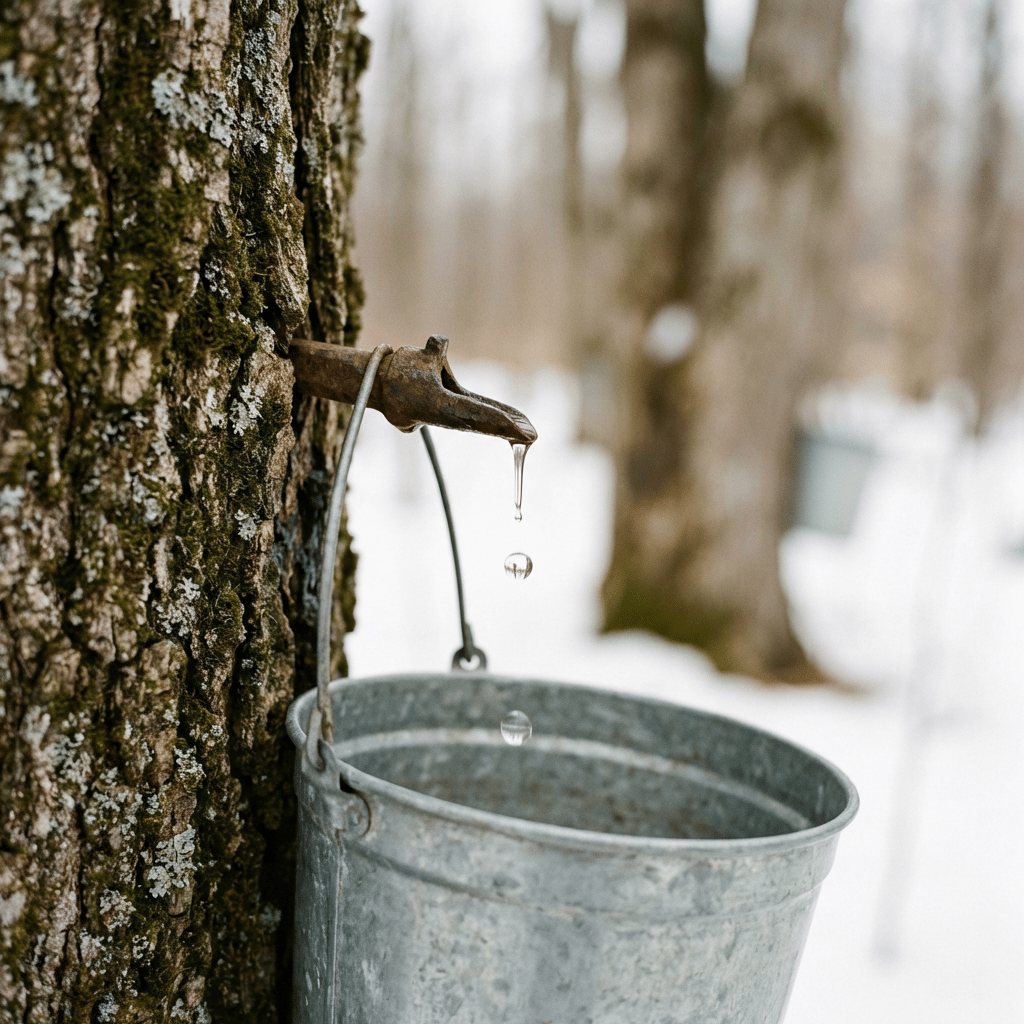
Canadian maple syrup sap dripping into a collection bucket in a Quebec sugar bush

Taste All Four Grades from One Quebec Farm.

Single-origin maple syrup in every Grade A classification, certified organic by Ecocert, Canada Organic, and USDA.

Frequently Asked

Grade A vs Grade B Maple Syrup FAQ

Grade B maple syrup was retired in 2015. What was previously called Grade B is now called Grade A Very Dark, Strong Taste under the new International Maple Syrup Institute system. The old Grade B was equal in quality to Grade A, just darker in color and stronger in flavour. Today all pure maple syrup sold in Canada and the United States falls under the Grade A umbrella, with four sub-grades that differ by flavour intensity rather than quality tier.

Neither grade is better in quality terms. Grade B, now called Grade A Very Dark Strong Taste, has the strongest flavour and is preferred by bakers and chefs for cooking, baking, and glazes. The lighter Grade A classifications, Golden Delicate and Amber Rich, range from delicate to balanced and are preferred for finishing and table use. The right grade depends on the dish, not on a quality ranking.

Grade B was retired in 2015. The International Maple Syrup Institute introduced a new four-grade system that Canada (through the Canadian Food Inspection Agency) and the United States (through the USDA) adopted that year. Grade B was renamed Grade A Very Dark, Strong Taste, and the old Grade A sub-grades were renamed Golden Delicate, Amber Rich, and Dark Robust.

All four Grade A classifications are nutritionally similar. Darker grades carry slightly higher mineral content because the sap is boiled longer, but the difference is small. The bigger health distinction is between pure maple syrup and table syrup. Table syrup is corn syrup with artificial maple flavouring and lacks the minerals and antioxidants found in pure maple syrup of any grade.

Both are darker, stronger-flavoured maple grades. Grade A Dark, Robust Taste is harvested in late mid-season and carries a stronger maple character than Amber. Grade A Very Dark, Strong Taste is the final harvest of the season and has the most intense maple flavour, which is why bakers and chefs reach for it when they want maple to stand up to other ingredients.