Our Story Products Terroir Blog Wholesale Shop Now
Back to the Maple Terroir Blog

The Best Maple Syrup for Baking

The grade you reach for decides whether anyone tastes the maple after the pan comes out of the oven. Here is which grade to bake with, which baked goods each one suits, and how to swap maple syrup in for sugar.

By Maple Terroir 7 min read
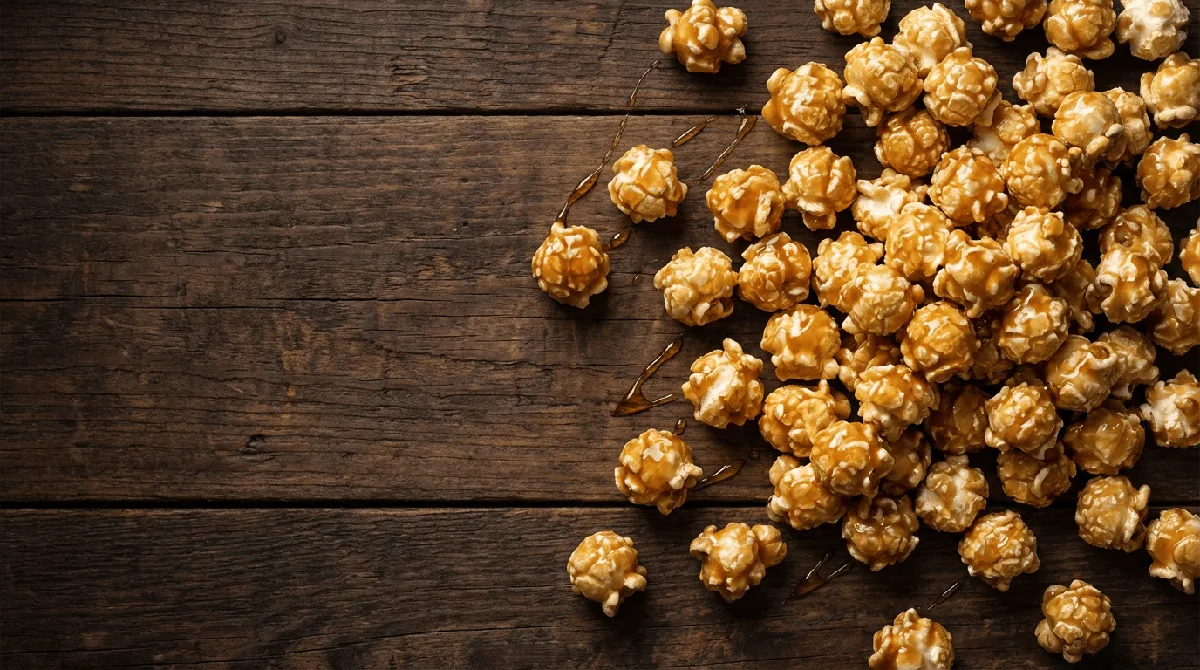
Maple-glazed treats on warm wood, made with the Dark grade single-origin Quebec maple syrup best suited to baking
Quick Answer

Bake with the Dark grade.

For baking, reach for the premium maple syrup in the Dark grade. It carries the strongest maple flavour of the three grades, so enough of it survives the heat of the oven to read clearly in the finished cookie, cake, or glaze. The lighter grades taste wonderful raw, but their delicate notes fade once you bake them in. If you want a gentler maple note in a lighter bake, the Amber grade is the milder alternative.

Most bakers grab whatever maple syrup is in the cupboard and wonder why the maple flavour disappears. The grade matters more than the brand here. Oven heat is hard on delicate flavour, and the lighter, more delicate grades lose most of their character once they are baked into a batter. The Dark grade starts with a deeper, more concentrated flavour, so plenty of it carries through to the plate.

Maple Terroir bottles a single-origin Canadian maple syrup from one third-generation family farm in Quebec's Appalachian Mountains, in business since 1978 and triple-certified organic by Ecocert, Canada Organic, and USDA Organic. The line runs in three grades, Golden, Amber, and Dark, and each one earns a different job in the kitchen. This guide maps those grades to what you are baking and shows you how to swap maple syrup in for sugar without throwing off the recipe.

Why It Matters

Why the Grade Decides Your Bake

Producers grade maple syrup by colour and flavour intensity, not by quality. Golden syrup, harvested early in the season, is the palest and most delicate. Amber sits in the middle, with a rounder, richer flavour. Dark, harvested later in the season, is the deepest in colour and the most robust on the tongue. None of the three is better than the others. They are built for different jobs.

Bakers feel that difference in the oven. When you stir maple syrup into a batter and bake it for twenty or thirty minutes, the heat strips away the subtle top notes first. The vanilla and butterscotch character that makes Golden syrup shine on a stack of pancakes is exactly the part that fades fastest under heat. You taste the syrup beautifully before it goes in the pan, then barely at all after it comes out.

The Dark grade solves that problem with sheer intensity. It starts so deep and concentrated that even after the oven takes its toll, enough flavour remains to make the maple unmistakable. That is why pastry kitchens lean dark for anything baked and save the lighter grades for finishing, where nothing cooks the flavour away. Cooks who want the science behind the colour bands can read our explainer on maple syrup grades.

Grade By Bake

Which Grade for Which Baked Good

Dark

Cookies, cakes, and glazes

Reach for the Dark grade whenever maple is the headline flavour. Maple cookies, spice cakes, banana breads, and dense brownies all need a syrup loud enough to stand up to butter, brown sugar, and flour, and the Dark grade delivers it. The same goes for any glaze or icing where you want the maple to be the first thing a person tastes. A maple glaze drizzled over a warm bun reads clearly only when you build it on the Dark grade, because a glaze sets without much cooking and you taste the syrup almost neat.

The Dark grade also pairs beautifully with strong companions. Cinnamon, ginger, toasted pecans, dark chocolate, and coffee all welcome a syrup with backbone. If the recipe already leans rich and warm, the Dark grade folds right in.

Amber

Lighter bakes

Choose the Amber grade for lighter bakes where you want maple to round out the flavour rather than dominate it. Muffins, shortbread, scones, butter tarts, and delicate layer cakes all suit a softer maple note. The Amber grade carries enough flavour to survive the oven, yet it stays gentle enough to let vanilla, citrus, or fresh fruit share the spotlight.

Bakers who find the Dark grade too assertive in a subtle recipe land happily on Amber. It is the middle path: more presence than Golden once baked, less weight than Dark.

Golden

Finishing, not baking

Save the Golden grade for the moments that do not cook the flavour away. Drizzle it over a finished cheesecake, fold it into a buttercream off the heat, brush it onto a warm scone, or spoon it across fresh fruit and yogurt. Its delicate vanilla and butterscotch notes are the whole point, and the oven would erase them. Golden is the grade you taste, so let it stay raw.

Swapping Sugar

Substituting Maple Syrup for Sugar

You can swap maple syrup in for white or brown sugar in most baking, and many cooks prefer the result. A common starting point is to replace the sugar at roughly a 3:4 ratio by volume, so use about three quarters of a cup of maple syrup for every cup of sugar the recipe calls for. Treat that as general culinary guidance and adjust to taste.

Because maple syrup is a liquid, you have added moisture the recipe did not plan for. Reduce the other liquids by about two to four tablespoons for every cup of maple syrup you add, so the batter keeps the consistency it should. Maple-sweetened batters also brown faster, so a baker watching the colour may want to lower the oven by roughly fifteen degrees and check a few minutes early.

For the substitution to be worth it, the maple needs to carry through, which brings you back to grade. Bake the swap with the Dark grade so the flavour you traded sugar for actually shows up on the plate. When you are ready to stock the right bottle, shop maple syrup across all three grades.

Quebec sugar bush sap dripping into a collection bucket, the source of the single-origin Dark grade maple syrup best for baking

Bake With the Grade Built to Survive the Oven.

Single-origin Quebec, triple-certified organic, family-owned since 1978. The Dark grade for baking, the Amber grade for lighter bakes. Free shipping over $99 CAD.

Frequently Asked

Maple Syrup for Baking FAQ

The Dark grade is the best maple syrup for baking. It carries the strongest, most robust maple flavour, so it holds its character through oven heat and reads clearly against butter, flour, and sugar. The Amber grade is a good milder alternative for lighter bakes where you want a gentler maple note. Golden is delicate and reads best raw, so most bakers save it for finishing rather than baking.

Yes. A common starting point is to replace sugar with maple syrup at roughly a 3:4 ratio by volume, so about three quarters of a cup of maple syrup for every cup of sugar. Because maple syrup is a liquid, reduce the other liquids in the recipe by two to four tablespoons per cup of syrup and consider a slightly lower oven temperature, since maple-sweetened bakes brown faster. Treat this as general guidance and adjust to your own recipe.

Maple flavour does survive oven heat, but the lighter grades fade more than the Dark grade. The delicate vanilla and butterscotch notes in Golden syrup are easy to lose once you bake them in. The Dark grade starts with a deeper, more concentrated flavour, so enough of it carries through to taste clearly in the finished cookie, cake, or glaze.

Both work, and the right pick depends on how loud you want the maple to read. Choose the Dark grade when maple is the headline flavour, as in maple cookies, spice cakes, or a glaze that needs to stand on its own. Choose the Amber grade for lighter bakes such as muffins, shortbread, or scones, where a softer maple note rounds out the flavour without taking over. For more on how the colour bands work, see our guide to maple syrup grades.