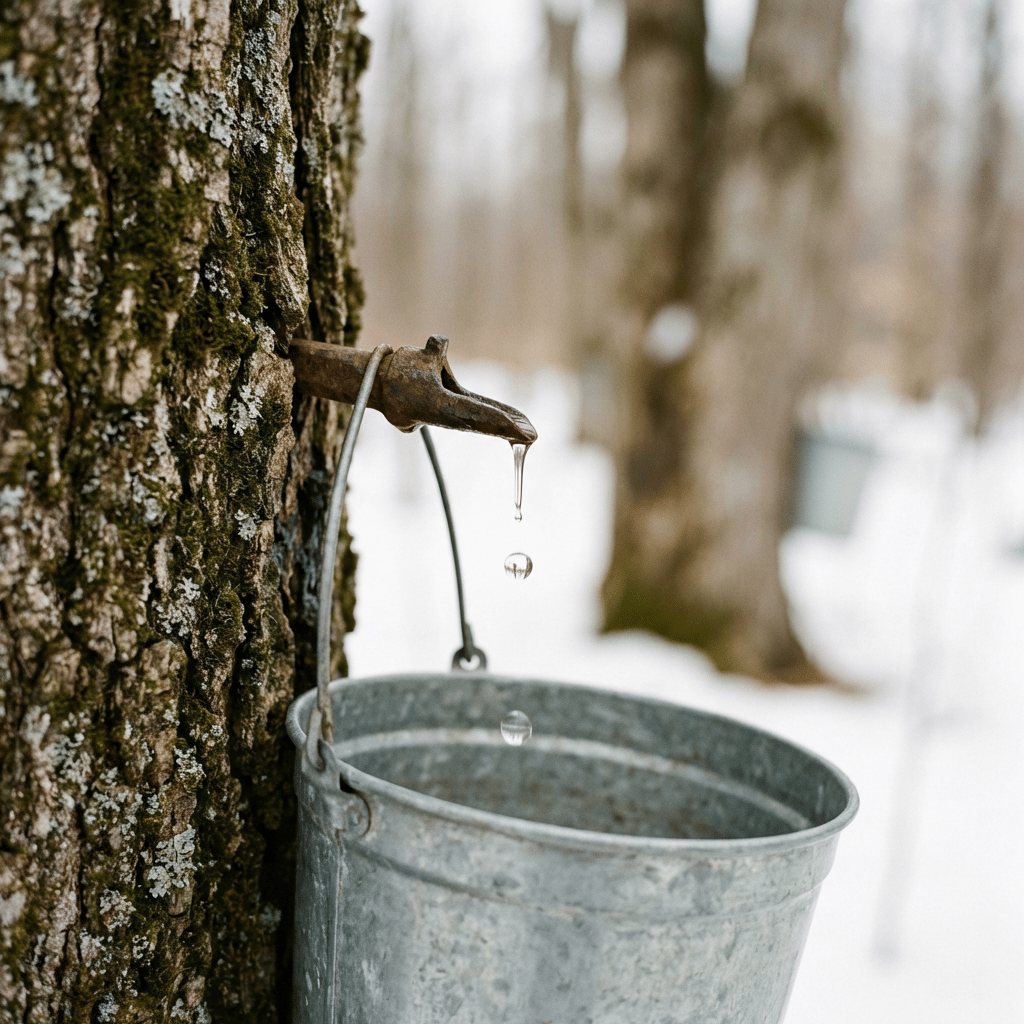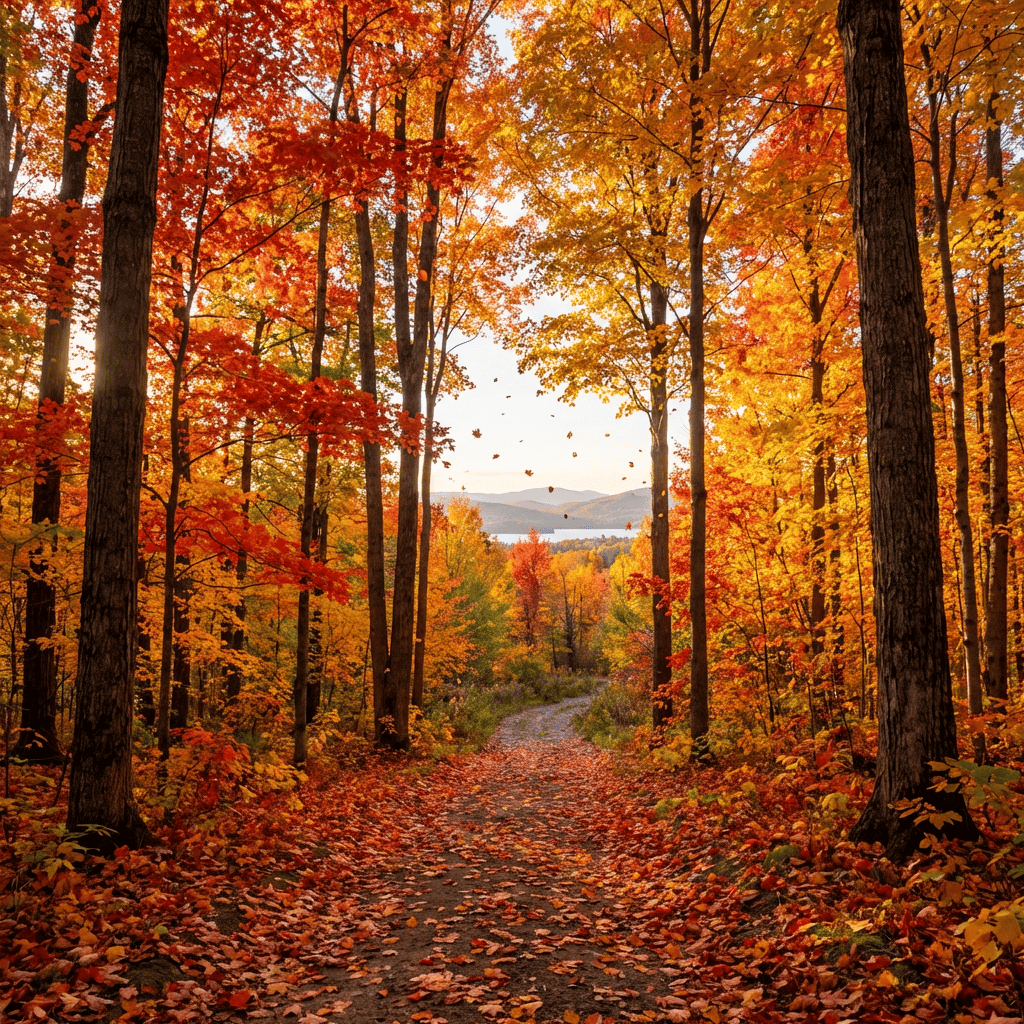
Organic maple syrup triple-certified by Ecocert, Canada Organic, and USDA Organic simultaneously. Single-origin from one family farm in Quebec's Appalachian Mountains since 1978.
More than avoiding pesticides. The trees, soil, collection equipment, and processing facility all fall within the audited scope.
Organic maple syrup certification requires that no synthetic pesticides, herbicides, or fertilisers have been applied to the sugar bush or surrounding land. This is an ongoing standard, not a one-time approval.
Maple Terroir organic maple syrup is inspected annually by each of its three certifying bodies, Ecocert, Canada Organic, and USDA. Annual re-verification means the certification reflects current practice, not a historical snapshot.
Blended maple syrup pools sap from multiple farms with different practices. Because Maple Terroir sources from one farm, every batch is traceable and every certification claim is grounded in one audited operation.
Every bottle from one certified-organic Quebec farm. Available in multiple sizes and grades, golden through very dark.
Certification is easy to claim. These are the specific conditions it requires, verified at Maple Terroir's Quebec sugar bush every year.
The Quebec Appalachian forest where Maple Terroir sources has never had synthetic pesticides, herbicides, or fertilisers applied to its soil. Not this season. Not any season since 1978.
Each of the three certifying bodies (Ecocert, Canada Organic, USDA) audits the farm independently on its own schedule. Organic status is re-earned annually, not grandfathered.
Single-origin sourcing means organic certification covers one audited operation, start to finish. No averaging across an anonymous supply chain. View certificates.
Most organic maple syrup carries a single national certification. Maple Terroir holds three, each from a separate independent body, each covering a different regulatory market.
The European standard, widely recognised across premium grocery and food service internationally. Ecocert certification confirms compliance with organic production standards across the full supply chain, from forest to bottle.
Administered by the Canadian Food Inspection Agency. Required to make any organic claim on Canadian retail shelves. The standard covers permitted substances, soil management, and processing facility conditions.
The United States Department of Agriculture standard. Required for any product sold as organic in US retail. Holding USDA certification alongside Canada Organic and Ecocert confirms compliance across three separate regulatory frameworks simultaneously.
Organic certification applies to Maple Terroir maple syrup. Other products in the line (stroopwafels, chocolates, cookies) are made with certified organic maple syrup as an ingredient but are not certified organic as finished products.
No synthetic inputs.
Same sugar bush since 1978.
Three independent
bodies inspect yearly.
International
organic standard.
CFIA standard.
Required for CA retail.
US Department of
Agriculture standard.
Certified organic
maple syrup.
No synthetic inputs. Same sugar bush since 1978.
Three independent bodies inspect yearly.

International organic standard.

Required for Canadian retail.

US Department of Agriculture standard.
Certified organic maple syrup.
Organic certification is only as reliable as the chain of custody it covers. When organic maple syrup is blended across multiple farms and producers, each with their own practices and audit schedules, the collective certification becomes difficult to verify at the batch level.
Maple Terroir sources exclusively from one family farm in Quebec's Appalachian Mountains. One farm, one audit cycle, one chain of custody. The organic status of every bottle is traceable to a single inspected operation, not averaged across a supply chain. Read more about the certifications.
The taste difference between organic and conventional maple syrup is minimal when both come from well-managed sources. The real distinction is what organic certification confirms about production practices: no synthetic pesticides, herbicides, or fertilisers in the sugar bush, independently verified on an annual basis. For consumers who prioritise clean production chains, organic certification is meaningful verification rather than a flavour claim. Read organic vs conventional maple syrup explained. See also Quebec vs Vermont maple syrup compared.
Maple Terroir maple syrup holds three simultaneous independent certifications: Ecocert (European standard), Canada Organic (Canadian Food Inspection Agency standard), and USDA Organic (US Department of Agriculture standard). Each is audited annually by a separate body. No other maple syrup producer holds all three simultaneously.
The organic certification applies specifically to Maple Terroir maple syrup. Other products in the line (stroopwafels, chocolates, cookies, nuts, tea, and coffee) are made with certified organic maple syrup as an ingredient but are not certified organic as finished products. Per-product details are listed on each product page.
Maple syrup flavour is primarily determined by harvest timing, tree terroir, and processing, not organic status directly. What single-origin sourcing and careful organic stewardship of the sugar bush contribute is consistency and the absence of off-notes that can appear in heavily managed forests. The Maple Terroir flavour profile reflects the Quebec Appalachian terroir, not a processing intervention.
Shop directly at mapleterroir.com for the full range of grades and sizes, with free Canadian shipping on orders over $99. In stores, Maple Terroir organic maple syrup is available at Costco, Shoppers Drug Mart, Save-On-Foods, Urban Fare, and HomeSense locations across Canada. The maple syrup collection has the complete product listing.
Shop the full range of certified organic maple syrup grades or visit the certifications page for the full audit detail.