1. Single-Origin Sourcing vs Blended Supply
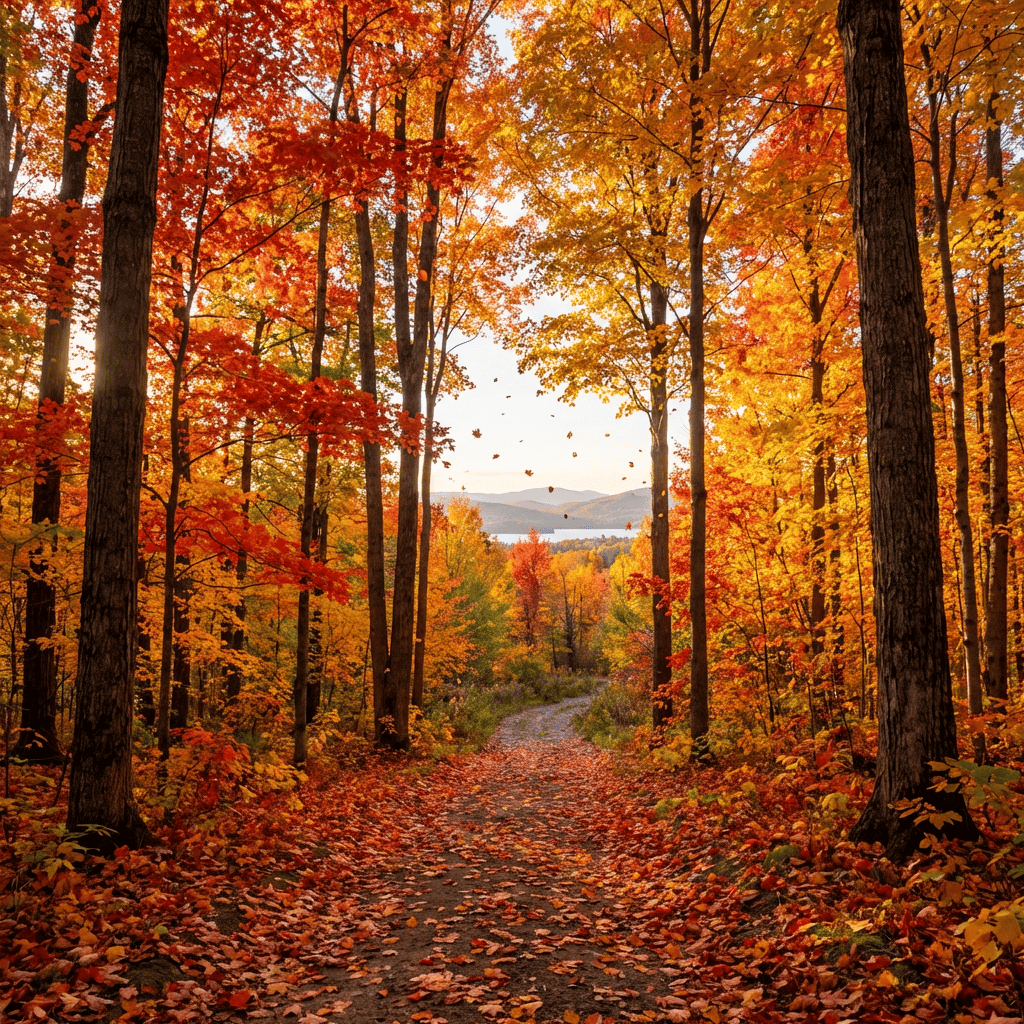
Single-origin maple syrup comes from one farm or one forest. Every bottle tastes like that property's specific mix of soil, elevation, tree age, and climate. Blended maple syrup pools sap from dozens or hundreds of farms into a centralised facility, where the producer averages out the flavour to deliver a predictable but flat product. Bordeaux wine works the same way. Estate-bottled bottles taste like the estate. Negociant blends taste like the year averaged across regions.
For maple, the single-origin distinction matters most at the top of the season. Early-harvest sap from a single forest carries delicate vanilla and butterscotch notes that get washed out by blending. The producers that publish their sugar bush location and harvest year on the bottle are the ones running single-origin. Brands that publish only a corporate address are running blended supply.
2. Third-Party Organic Certification
Three certifications matter on a Canadian maple syrup bottle. Ecocert is a French-headquartered certifier with strong recognition across European retail. Canada Organic is the Canadian Food Inspection Agency standard required for any maple syrup sold as organic in Canadian grocery. USDA Organic is the US equivalent and the standard required for export to American retail.
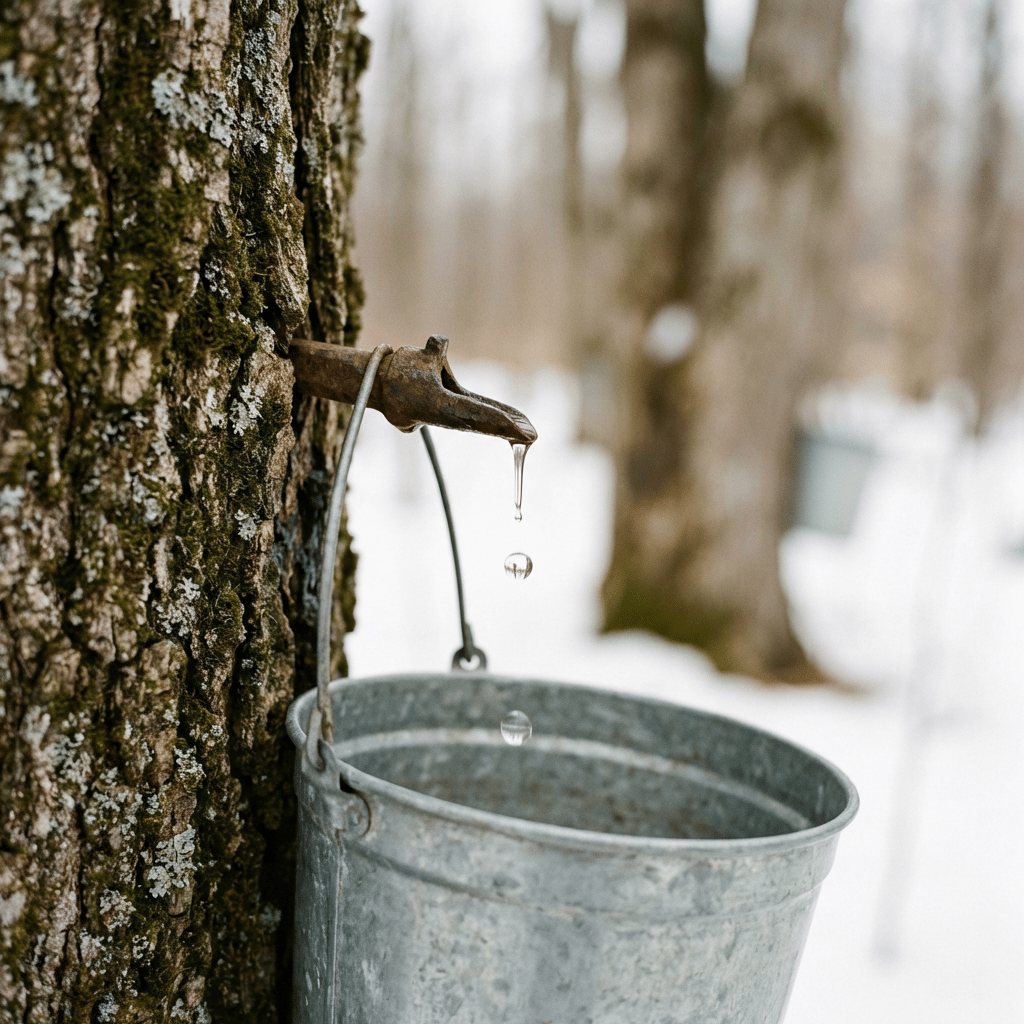
The certifications enforce real production practices: no synthetic chemical defoamers in the evaporator, smaller taps that heal faster on the tree, at least 15 percent companion tree species in the woodlot to support forest biodiversity, and annual on-site audits. A brand holding all three certifications has gone through three separate audit cycles each year. Most Canadian maple producers hold none.
3. Family-Owned Production vs Corporate Aggregation
Family-owned maple producers make decisions on a generational time horizon. The Lytton family at Maple Terroir, the Escuminac family in the Matapedia Valley, and the Bernard family in Quebec have all run their operations across multiple generations. That ownership structure aligns the producer's interest with the long-term health of the sugar bush, because the next generation needs the forest to still be producing in fifty years.
Corporate aggregators that buy bulk syrup from hundreds of farms and bottle under a national brand operate on a quarterly time horizon. The pressure to hit volume targets each season can pull producers into practices that exhaust the trees, including over-tapping and shortening recovery cycles. Neither model is inherently wrong, but the family-owned single-farm operation is the model that protects quality over decades.
4. Traceability (Bottle to Tree)
Traceability is the simplest test of a maple syrup brand. The label either tells you where the sap came from or it does not. A traceable bottle names the farm, the family, the region, and the harvest year. An untraceable bottle names a corporate address and a generic country of origin.
Maple Terroir traces every bottle to one farm in Quebec's Appalachian Mountains, with the family name on the label. Escuminac traces every bottle to one forest in the Matapedia Valley. Most mass-market brands trace to a head office in Ontario or Quebec, with no farm or forest named. The full Canadian maple syrup explainer covers how to read these labels in more detail.